




About Malaria
As one of the deadliest viral diseases, rabies poses a significant risk for travellers venturing into certain parts of the world. Understanding the importance of rabies vaccination can safeguard your health and ensure a worry-free journey. At Purley Travel Clinic, our expert pharmacy team, hailing from one of the longest-running pharmacies in South London, is here to provide you with the essential vaccinations and advice you need. Let's dive into everything you need to know about rabies vaccination.
Ready To Book?
What is malaria and why it matters to travellers
Malaria is caused by parasites spread by infected Anopheles mosquitoes. Symptoms usually start with fever, headache, tiredness and muscle aches and can become severe if not treated quickly. Some species can lie dormant in the liver and cause illness months after exposure. Malaria is most common in many tropical and subtropical regions, especially parts of sub‑Saharan Africa, but risk also exists in parts of Asia, Central and South America and some Pacific islands. For travellers the risk depends on where you go, when you go, what you do and the type of accommodation — rural, outdoor and night‑time activity raises the risk. People most likely to become severely ill include young children, pregnant people, the very old and those with weakened immune systems.
Is there a malaria vaccine for travellers?
At present there is no routinely available malaria vaccine recommended for travellers from the UK. Work is under way in some endemic countries on childhood vaccination programmes, but that does not replace other prevention for adult travellers. Instead, protection is built from three complementary approaches: awareness of risk, effective bite‑avoidance and, where needed, antimalarial tablets (chemoprophylaxis). Which tablet is right for you depends on your destination, any drug resistance in the area, and your medical history. Some antimalarial medicines must be started before travel, others weeks earlier, and some aren’t suitable for young children, pregnant people or those with particular health conditions. We review these factors with every patient and explain likely side effects — for example, some tablets can cause stomach upset or increased sun sensitivity, while others can affect sleep or mood in a small number of people. We’ll recommend the safest option for you and explain how to take it correctly.
Where malaria prevention is important
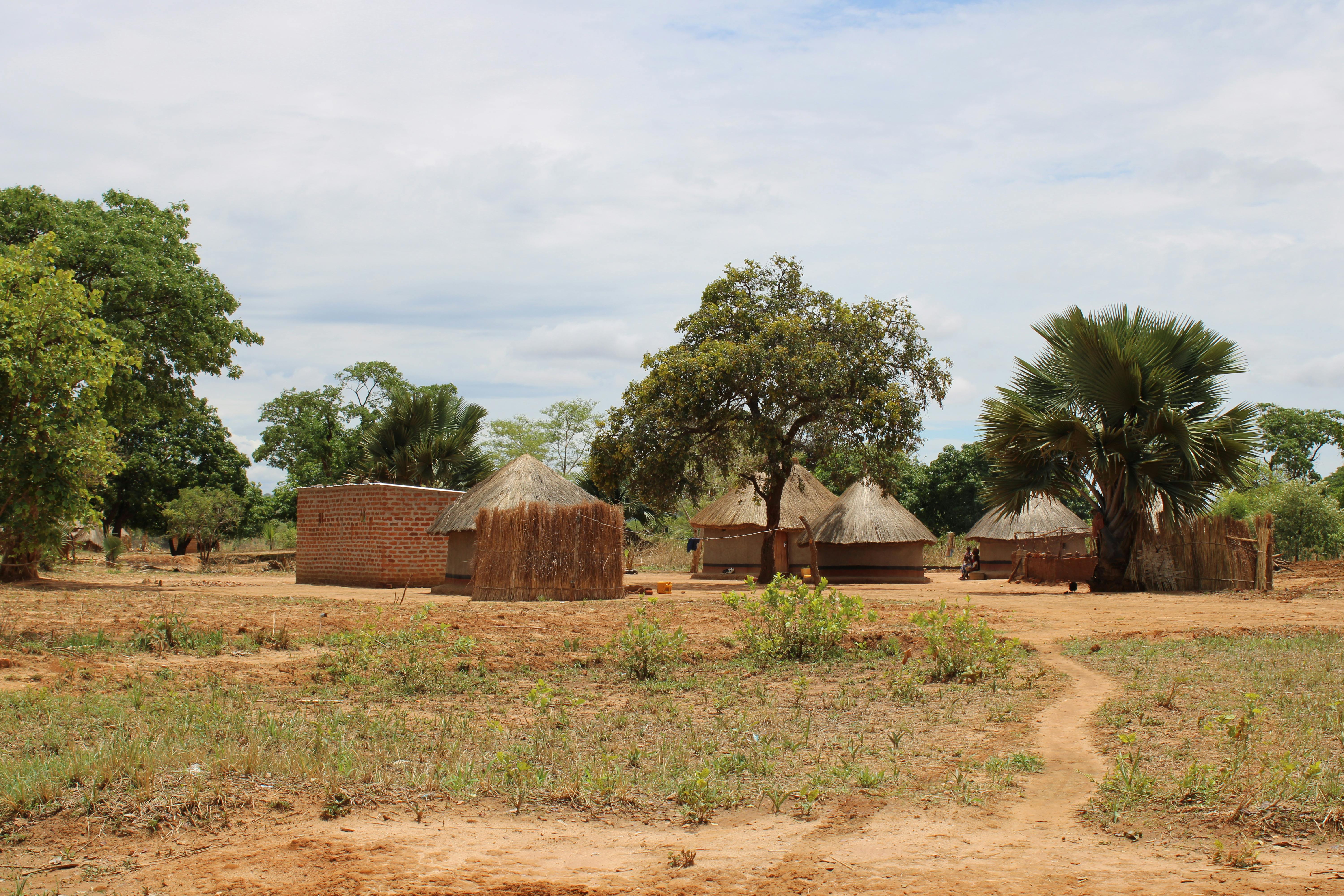
Malaria risk exists across wide tropical regions. The highest risk for UK travellers is generally in many countries of sub‑Saharan Africa, but parts of South and Southeast Asia, Central and South America and some Pacific islands can also carry risk. Within countries the threat varies by region and season: rural and forested areas are often higher risk than cities, though urban risk exists in some places. Some destinations are classified as ‘stable’ (year‑round risk) and others ‘seasonal’ — that’s why a country‑specific check is essential. If you’re travelling to visit friends and family, staying overnight in villages or planning outdoor night‑time activities, we’re more likely to recommend tablets as well as strict bite prevention.
Book a practical malaria check in North London
If you’re travelling overseas from North London, get tailored malaria advice before you go. Our clinics at Zaxgate Pharmacy and Frank Wreford Pharmacy offer quick, clear assessments and prescription options where required. We serve Wembley, Harrow, Brent, Neasden, Cricklewood, Finchley, Edgware, Ealing and Acton. Call 020 8450 7873 to discuss your trip and arrange an appointment; our teams are experienced, friendly and used to organising last‑minute checks where possible. We’ll explain prevention steps, timing for any tablets you need, and what to do if you develop a fever while away or after you return.
FAQs